Italian fascism
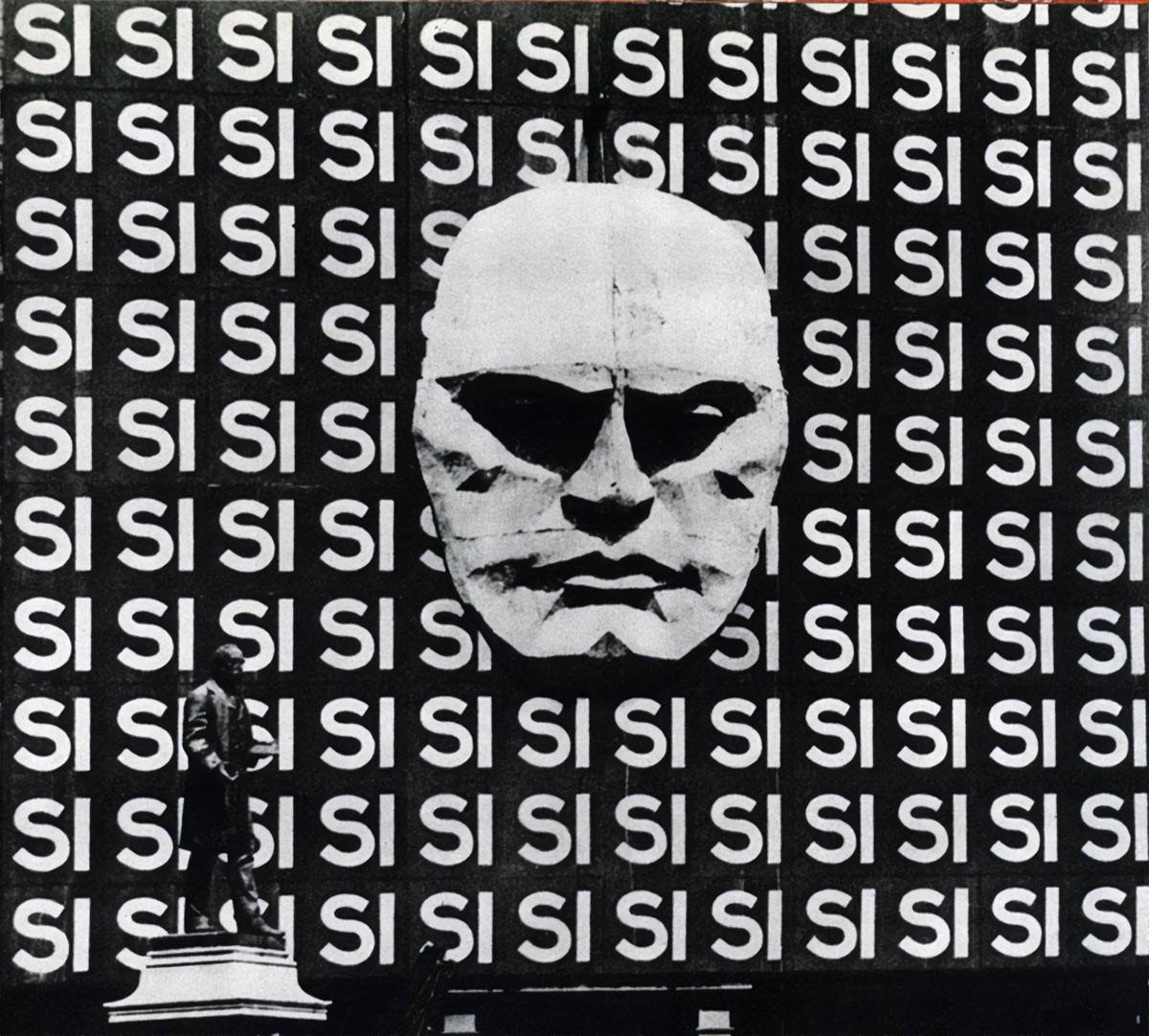
7:00pm Sat 27 MarThe wave of working-class rebellion that followed the First World War had met with a combination of typical responses: violent state repression along with concessions and co-optation via reformist institutions. In some countries, though, a novel form of reaction was taking shape: mass petty-bourgeois movements bent on the physical annihilation of workers’ organisations.
Convening just five days after Mussolini’s fascists took power in Italy, the Comintern’s Fourth Congress grappled with the implications of this growing threat. The real gravity of events was yet to sink in—initial speeches somewhat flippantly praised the Italian comrades' abstentionist attitude to fascism's rise. But a handful of delegates pushed the issue from the floor.
By the close of the congress, a majority was won to the need for urgent anti-fascist united front work across Europe. The leadership’s new perspective would be hashed out by Clara Zetkin at the Third Enlarged Plenum of 1923 in her historic address on the struggle against fascism.